How booking a last minute serengeti safari works
- Send your dates, group size and budget by WhatsApp, email or the form.
- We check live availability with camps, lodges and our own vehicles.
- You receive a clear, itemised quote, usually the same day.
- Confirm with a deposit and we send your final itinerary and travel documents.
- Your guide meets you at the airport or hotel and the safari begins.
What is usually included
- Private or shared 4×4 safari vehicle with pop-up roof
- Professional English-speaking driver-guide
- Park and conservation fees as per itinerary
- Accommodation and meals as per itinerary
- Bottled drinking water during game drives
- Airport and hotel transfers in Arusha
Recommended trips
Ready to go? Send us your dates for a free quote, or browse all last minute Tanzania safari deals.
Why choose a last-minute safari with us
- Same-day replies with real availability
- Our own vehicles and guides based in Arusha
- Written, itemised quotes with park fees shown
- Flexible lodge choices across budget, mid-range and luxury
Best Serengeti areas for a late booking
- Central Serengeti (Seronera): reliable all year, many camps
- Southern plains: December to March for calving
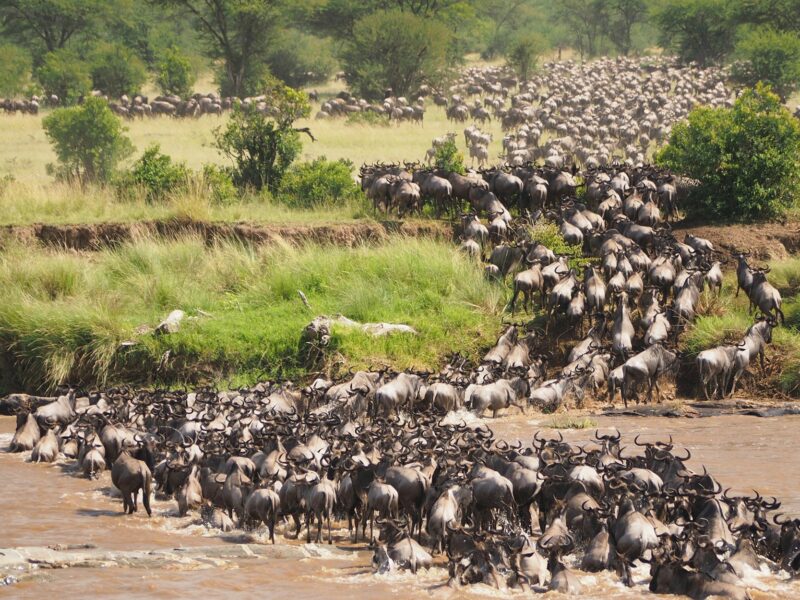
- Northern Serengeti: July to October for river crossings
Fastest options
A 3-day fly-in can often depart within a day or two, subject to flight seats. By road, the 4-day Serengeti and Ngorongoro is our most bookable option.
What happens after you enquire
- We reply with options and a clear quote
- You confirm and pay a deposit (full payment for very short notice)
- We send your itinerary, packing list and pick-up details
- Your guide meets you at the airport or your hotel
Sample last-minute Serengeti plan
- Day 1: Arusha to the central Serengeti via the Ngorongoro highlands
- Day 2: Full day in the Seronera valley
- Day 3: Serengeti to the crater rim via Olduvai Gorge
- Day 4: Ngorongoro Crater and return to Arusha
Prefer to fly? Leave Arusha in the morning and be on a game drive in the Serengeti before lunch.
Where the wildlife usually is, month by month
The Serengeti covers around 14,750 km², so where you stay matters as much as when you go. This is the typical pattern, although rains shift it every year.
| Months | Best area | What to expect |
|---|---|---|
| December–March | Southern plains and Ndutu | Herds grazing, calving peaks around February, predators close by |
| April–May | Central and southern Serengeti | Long rains, lush plains, quiet camps and good late availability |
| June–July | Western Corridor and central | Herds moving north-west, Grumeti River crossings possible |
| August–October | Northern Serengeti | Mara River crossings, dry-season game viewing |
| November | Moving south through the central areas | Short rains, herds returning, fewer vehicles |
The central Seronera valley is the safest bet for a late booking at any time of year, with resident lions, leopards along the river and cheetahs on the open plains.
Choosing where to stay at short notice
Camps follow the wildlife, so the busiest ones fill first. Mobile tented camps relocate seasonally to the calving grounds or the north, while permanent lodges and tented camps stay put. When your first choice is full, we look for a comparable camp in the same area rather than moving you somewhere that adds hours of driving. For dates around the herds, our last minute Great Migration safari page explains the timing in more detail.
Road or fly-in?
By road, Arusha to the central Serengeti is a long but scenic day through the Ngorongoro highlands, typically seven to eight hours with stops. Flying takes around one to two hours depending on the airstrip and any stops en route. Road safaris suit travellers who want to add the crater and Tarangire; flying suits short trips and those heading to the far north. See our fly-in safaris for how light-aircraft trips work, including the soft-bag luggage limits.
Tips from our guides
- Book at least two full nights in the park; one night is mostly driving.
- Serengeti park fees are charged per 24-hour period, which shapes entry and exit times.
- Take a dawn drive: cats are most active in the cool early hours.
- Pack layers. Mornings on the plains can be surprisingly cold.
- A sunrise balloon flight is a memorable add-on if seats are free.
If you have a little more time, add the Ngorongoro Crater on the way back, or extend to the beach with our safari and Zanzibar packages.
Related reading from our Safari Journal
- Ngorongoro Crater vs Serengeti: Do You Need to Visit Both?
- Is a Serengeti Hot-Air Balloon Safari Worth It?
- Serengeti vs Maasai Mara: Which Should You Visit?
Further reading
Learn more from independent, authoritative sources: